
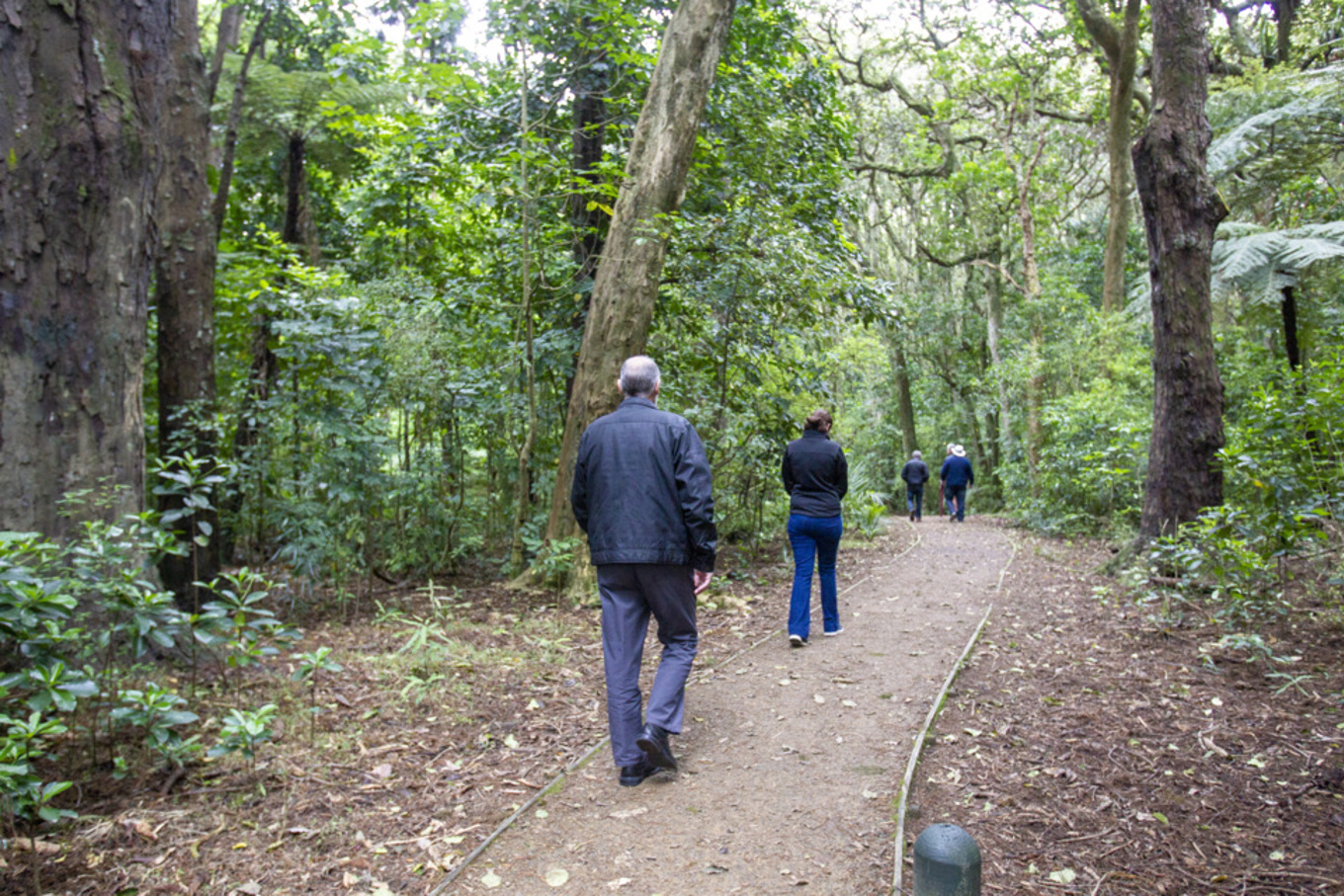
She describes herself as being like a midwife, only her babies are trees.
And just as babies need tender loving care, so do the trees Auckland Council Parks and Community Facilities project manager Candy Li is adding across the city, including in Papakura.
She says nearly 40,000 hectares of tree canopy was lost across the region between 2001 and 2024, mostly because tree protections were removed and urban development continued at a cracking pace.
It’s quite a problem, particularly in areas such as Papakura, which already has far less tree canopy coverage than most other areas of the city.
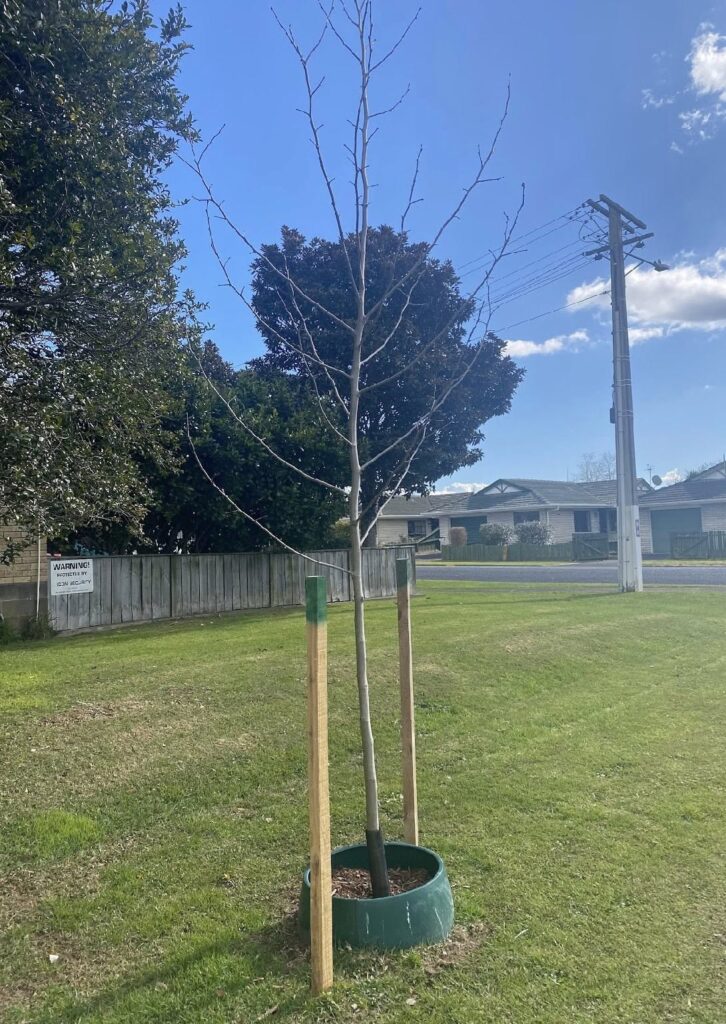
Candy says Auckland Council wants to plant 18,000 street trees across Auckland by 2030, and the Papakura Local Board has been a champion of that plan, helping advance it in the area.
Most of the trees have been or will be added in parks and reserves, but there’s an increasing move to add more trees to the urban landscape, most notably in Papakura with urban ngahere (forest) plantings in Wairoa Road, King Edward Avenue and other areas.
Ultimately the goal is to lift canopy coverage across Auckland to 30 per cent, a lofty goal when Papakura sits at just 13 per cent now.
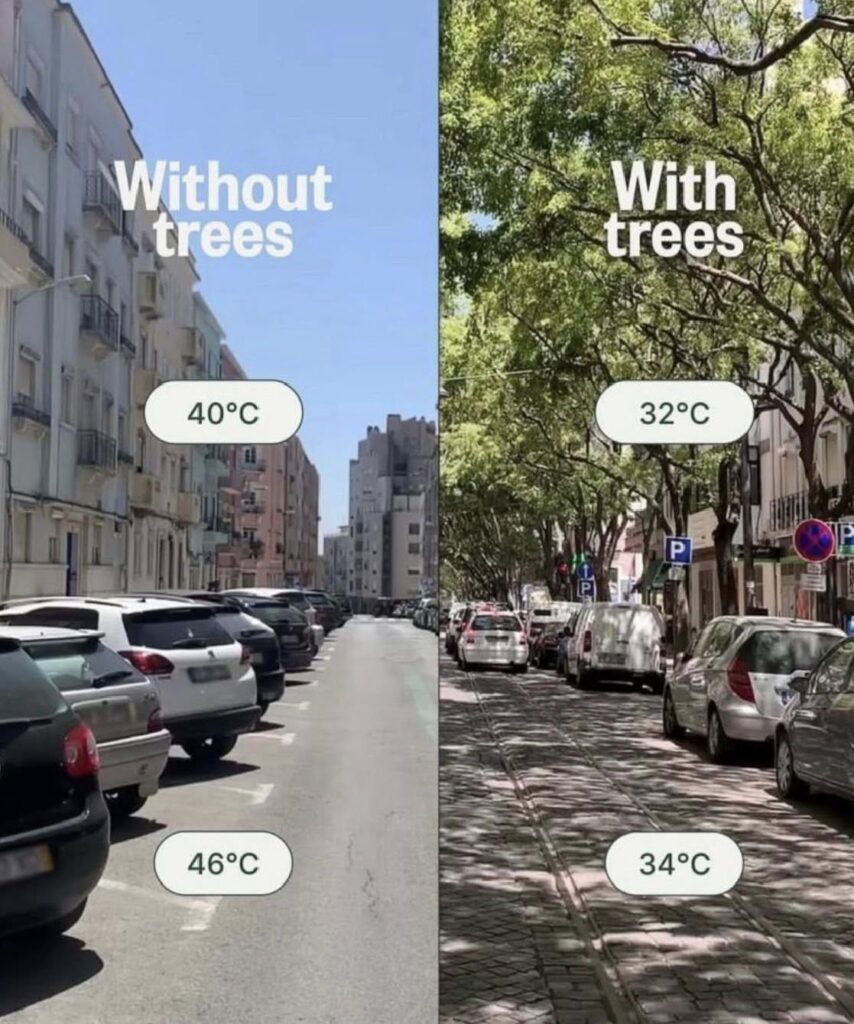
It’s important to Papakura and its residents because forecasts show more hot days in future years, making more shade from mature urban trees not just desirable, but critical.
In Papakura, Candy says, almost 100 street trees were added over the previous year, with another 200 planted in spring.
“Unfortunately, there’s a high level of vandalism that undoes the good work the project team puts in to ensure the right tree goes in the right place.”
Often, she says, it’s a tension between residents wanting to park on berms, and the landscape.
“But people can help us out by making the trees their babies and looking out for them. If they look out for the trees, we’ll all benefit from the community resilience contribution they make for us and our mokopuna.
“Anyone who sees a tree in need of care can go online to Auckland Council’s report a problem page here, or call 09 3010101.”
If you want to know more about urban heat cover and the benefit of trees go here.
What goes where?
One of the biggest problems around planting more street trees is a lack of understanding from residents, and disputes over what should be planted.
Residents frequently complain the trees being planted on berms are the wrong species for their areas, often citing leaf fall or views being blocked.
But Candy says it isn’t just a case of staff rolling up and sticking any old tree in, rather the plantings are the result of extensive work around sustainability, suitability for the conditions, and the availability of quality root stock.
“People often complain we should be using more natives, or we should be using evergreens, but it’s about making sure that what we do use has a good chance of establishing itself in the urban environment.”
Auckland Council tree guru David Stejskal says tree species for street planting are selected carefully, guided by the Urban Ngahere Strategy. “Trees are selected for local conditions taking many factors into account, but especially things like space constraints and a tree’s long-term future.”
Auckland’s strategy recognises the social, environmental, economic, and cultural benefits of urban ngahere, and sets out a strategic approach to knowing, growing, and protecting it.
The nine principles are:
- Right tree in the right place.
- Preference for native species.
- Ensure urban forest diversity.
- Protect mature, healthy trees.
- Create ecological corridors and connections.
- Access for all residents.
- Manage urban forest on public and private land.
- Deploy regulatory and non-regulatory tools.
- Manage the whole lifecycle of urban trees.


0 Comments