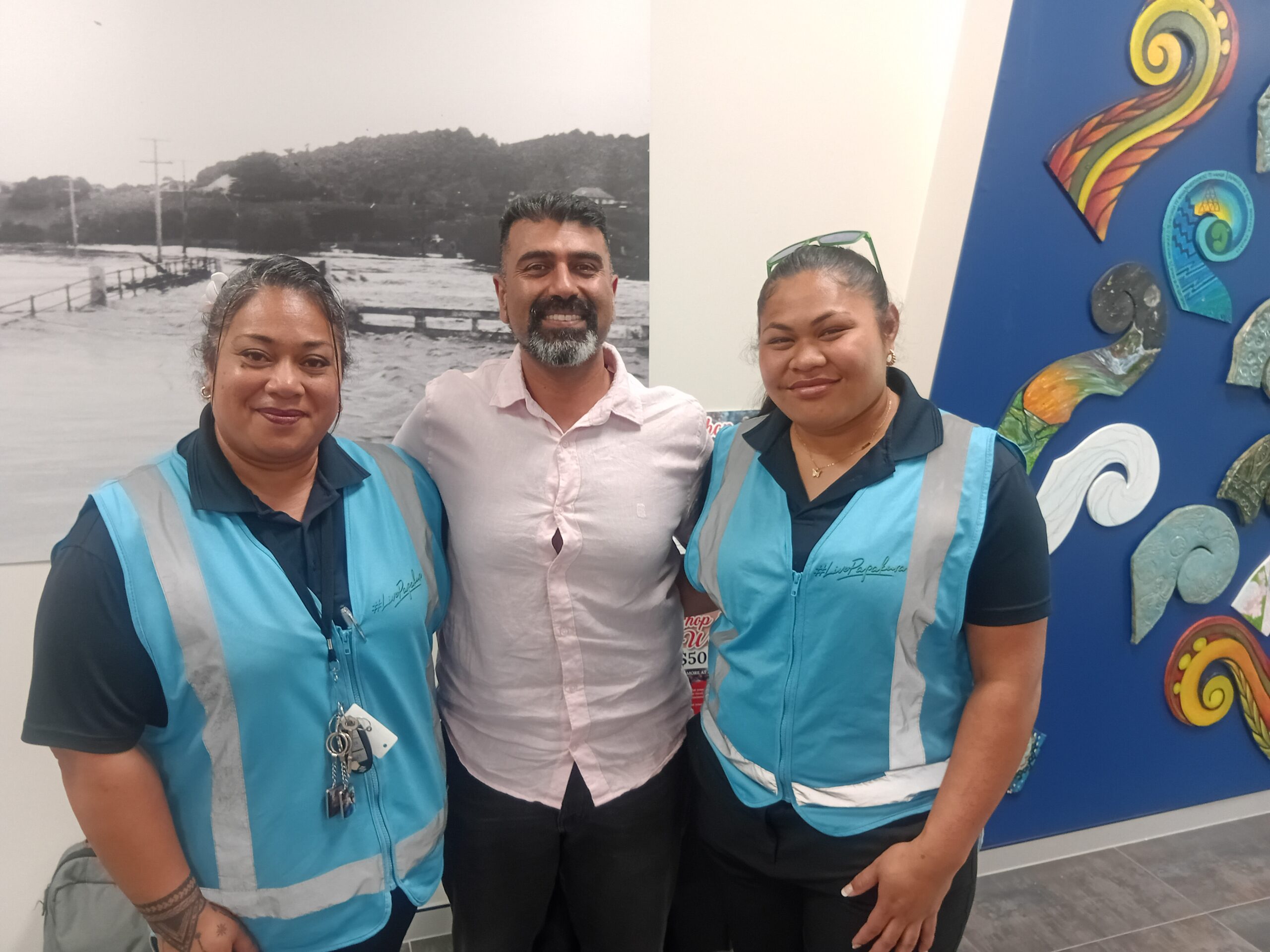
A little bit of planning now might ensure your business survives a disaster. Town manager Neil Punja was at a recent Papakura Community Resilience Network drop-in session pushing a simple message.
“You need a plan.” He told visitors that while some businesspeople were engaging in preparing for emergencies in their own homes, they did not always transfer that to their business lives. “The essence is the same,” he said. “Risk is always mitigated by planning.” Even then, he warned, plans had to be regularly tested.
“There’s no use having a plan that gathers dust on a shelf, because if disaster strikes, and we all know it will, we need to know instinctively what to do.
“It’s like muscle memory, the more you practice the more automatic and effective your response will be.
“The majority of the time it’s going to be business as usual for operators, but if you don’t practice, there is a very real risk that you can freeze in a crisis.”
Punja says all businesses need a plan, and those plans will differ greatly depending on the needs of the operator. “Obviously forward-facing businesses that have regular interaction with customers will have completely different needs to a warehouse or a manufacturing business.
“We quite rightly expect schools and other places we interact with to have plans, then don’t always realise, let alone act upon, the thought that we need to have plans in place for our workplaces and businesses too.”
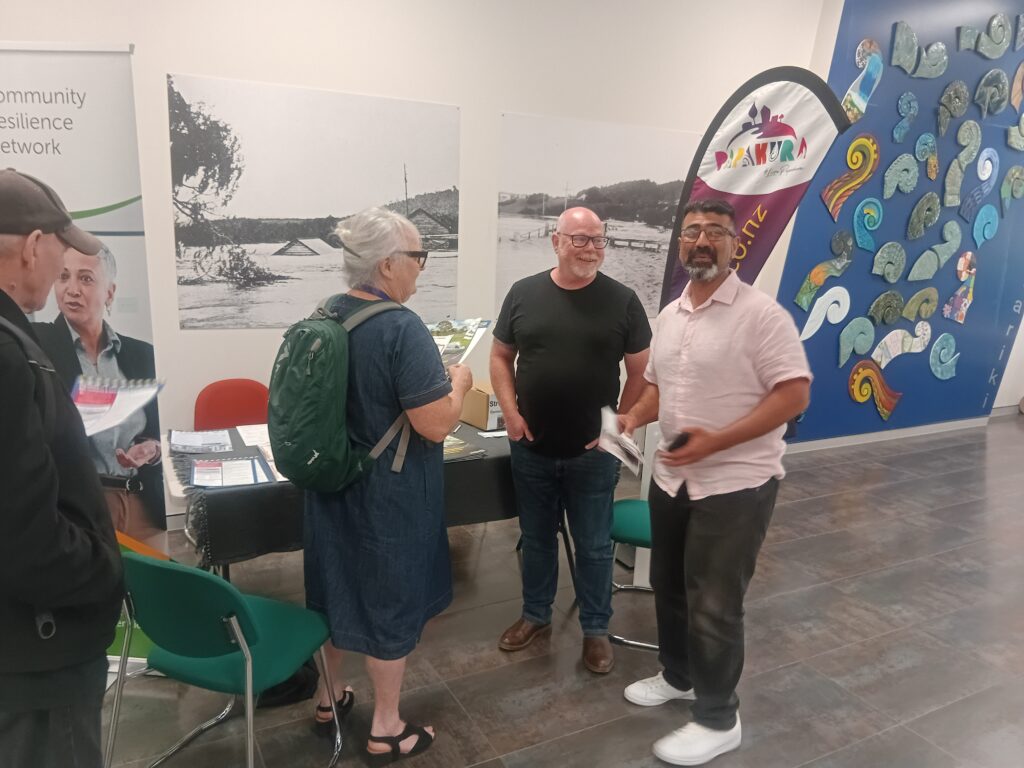
He says a few minutes thought about different scenarios will pay off. “Businesses will have different needs. You can imagine banks have to give much more thought to security than retail stores, but those same stores aren’t exempt from security concerns themselves.”
Punja says the Papakura Business Association is well-placed to help. It has a range of materials, much of them supplied by Auckland Council’s Emergency Management team, designed to make the planning process easy.
“The plans you might have in place at home aren’t going to be about the things you should be considering for your business, although some of it will apply. There will be concerns for businesses such as guaranteeing power, their place in a supply chain, and what happens to staff?”
He’s urging businesses to visit the www.aucklandemergencymanagement.org.nz website as a starting point. It contains a business continuity template and examples of plans.
“It is a very simple step-by-step guide that will be really useful to help guide businesses, be they large or small, as they put plans in place.”
Planning a bright future for Papakura
The latest plan to guide the Papakura business sector to 2030 has just been released.
The #Live Papakura 2025-2030 five-year plan has been put in place by town manager Neil Punja and his Papakura Business Association colleagues.
Punja says the area is certain to continue to grow and develop, with significant population growth anticipated.
“That brings challenges, but it also brings opportunities. We need to have a plan in place that looks ahead.
“Our plan puts in place a framework of promotional activities, placemaking initiatives and strategic interventions that we believe will help us create engaging, distinctive, safe and attractive public spaces in the town centre to cater for residents and visitors.”
Business Association chair Paul Radden agrees. “While the retail and commercial developments emerging across the south might be perceived as potential challenges to our businesses, I’d encourage people to recognise the opportunities for Papakura to present itself as a unique centre for community, commerce and enterprise.”
The 16-page glossy plan is available from the Edmund Hillary Library and the association’s offices.
You can contact Neil Punja at [email protected].
Make your important stuff digital
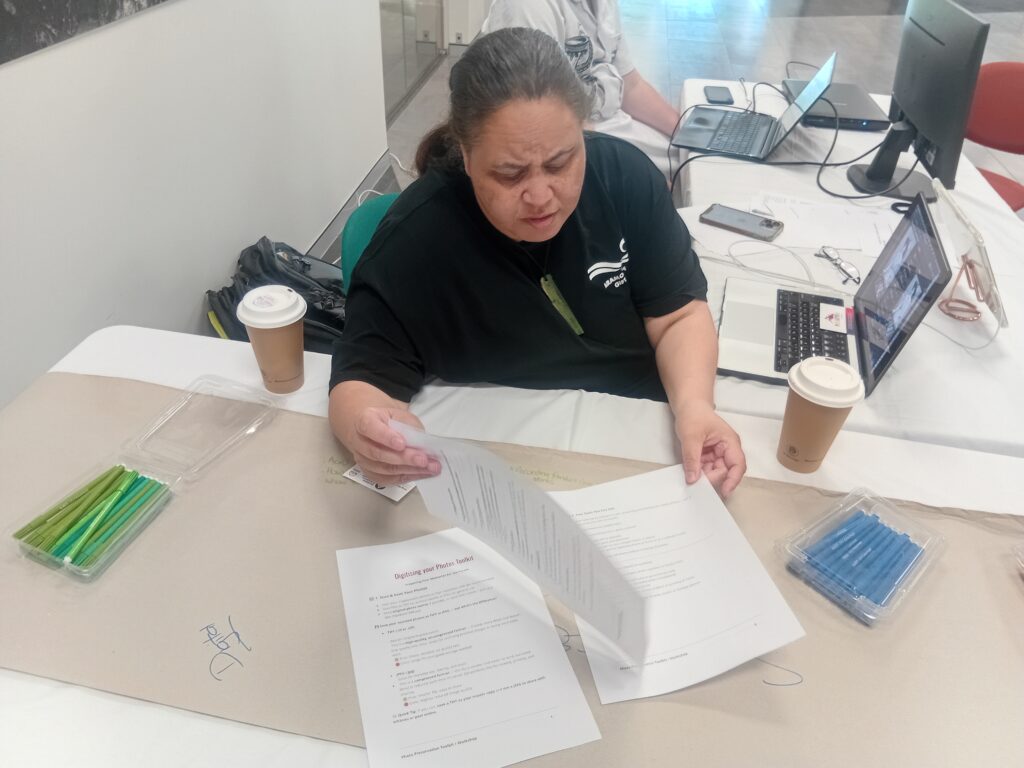
Volunteers armed with IT skills were on hand at Sir Edmund Hillary Library to show people how to move their important family records and papers into the digital world to safeguard them in an emergency.
One of the most common problems arising in the aftermath of a disaster is that households often have reduced access to paper records or find them sodden and unreadable.
Moving them into a digital online environment means they can be copied onto a simple memory stick device, which can be kept in a safe and dry place to ensure they remain available.
Volunteer Tracy Gayner says it’s like all things, hard until you understand that anyone can do it.
“Just scanning and saving your photos can make all the difference. People who have been hit hard almost always end up saying physical things like furniture can be replaced, but what they really mourn is the loss of their precious family photos and memories.”
Anyone interested in following up on how to safeguard important documents and family treasures can email Tracey at [email protected]


0 Comments