Fancy a spot of time travel? Back to a time when neighbours were friends, vegetables appeared on the doorstep, school uniforms were passed from home to home, and there was a real sense of community.
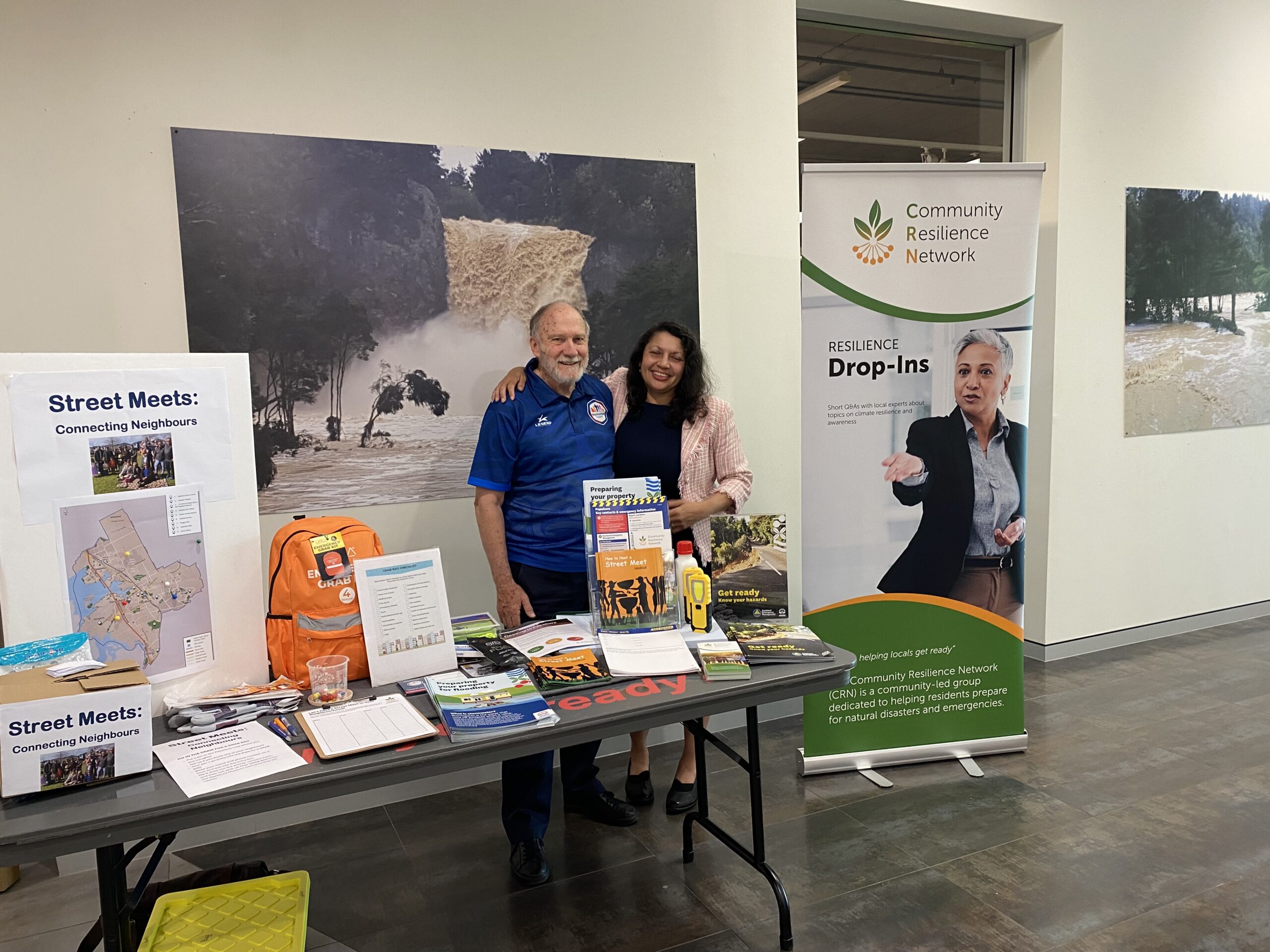
That spirit of connection was the focus of last week’s Community Resilience “Drop-In” Q&A at the Papakura Museum, sponsored by the Community Resilience Network. The Drop-Ins are short, informal sessions where local experts share ideas and answer questions on everything from community resilience to climate change. (See the full schedule here.)
Among last week’s speakers were Graeme Marshall and Karren Hunter, who are helping to revive that old-fashioned sense of neighbourhood through their support of Street Meets in Papakura — small gatherings designed to help people reconnect.
“The trouble is we all live in little steel boxes called cars nowadays,” says Graeme. “Many of us don’t get home until late, then it’s dinner, getting the kids ready for bed, making school lunches — all the usual day-to-day stuff. It means there’s very little time to connect with those nearest to us, our neighbours.”
He and Karren believe that’s a great shame, because our busy lives have robbed us of the simple benefits once enjoyed by close-knit communities.
“Our group is all about creating neighbourhoods where people recognise each other, and it’s not that hard to do, all it takes is an invitation, maybe some music, perhaps firing up the barbecue for a bit of a street party,” Karren says.
“Before you know it, those strangers from No 6, or from that house you’ve always admired for its pretty garden, are the homes where friends live.”
The drive to connect people has a serious purpose though. Members of the Community Resilience Network, the ‘street party’ advocates, know that in the event of an emergency, the people most likely to come to your aid are those closest to you…your neighbours.
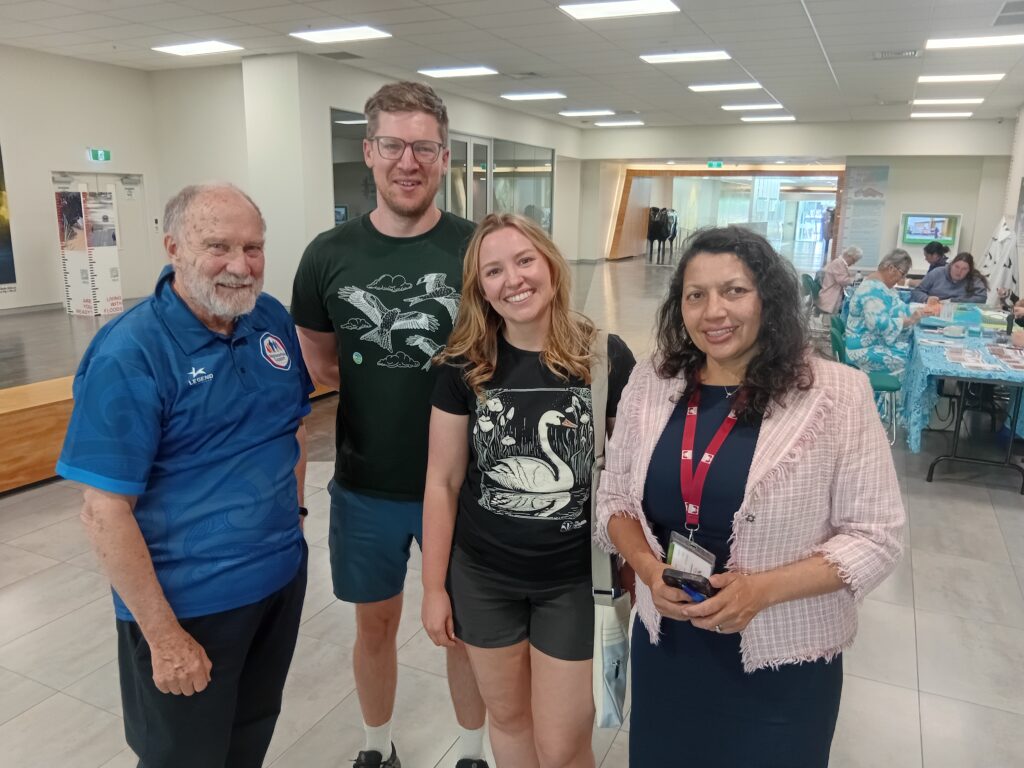
“If we can create communities where we know each other, like in the old days, we are much more likely when disaster strikes to want to check on that elderly lady who lives alone, the mum who has toddlers, or the folk opposite who have mobility issues,” Graeme says.
It’s an opportunity to improve all our lives, he says, with very little effort.
The group even has a free handbook that sets out the steps for having a Street Meet event, a leaflet that’s come in the wake of earlier efforts from groups that are already reconnecting in places such as Ashdown Place or through Papakura Marae.
“Auckland Council has been very clear, and we all know it’s a matter of when, not if, an emergency strikes, that it could be unable to respond quickly because there will be competing priorities across the city,” Graeme says.
“It would be great to create communities that could check on each other and meet everyone’s needs so that people were safe and secure and able to get by until any crisis passed.”
The evidence is clear – knowing your neighbours works
As part of its work in the wake of Cyclone Gabrielle, Auckland Council funded a test of the Street Meets idea, deciding to expand the plan after getting good results.
Neighbourhood Support partnered with the Community Resilience Network to organise resources such as a gazebo, signs and banners, BBQ, bubble machine, and even a contracted a co-ordinator and kai for events.
Street Meets take place in a shared area in a street so neighbours can get to know each other, share resources, and learn to be there for each other in good and challenging times.
The project is funded through the council and local board Papakura Climate Ready project, with the Community Resilience Network promoting street gatherings at events such as the Santa Parade and Chilling in the Park, to get more neighbourhoods involved.
The results show there is strong community interest in street events, and when they take place residents often also raise current local concerns with each other, speeding drivers for example, and how they might collectively respond.
Graeme says expansion depends on neighbours buying-in, their willingness to host, attend, and contribute.
“We encourage people to connect with CRN social media because it’s always good when you can see other people you might know are joining in.
“Ultimately it might be about being prepared for a disaster, but that doesn’t mean you can’t have fun and get other benefits from it.”
Want to know more or in the mood for your own street party: [email protected].
Tivaevae inspired by climate change
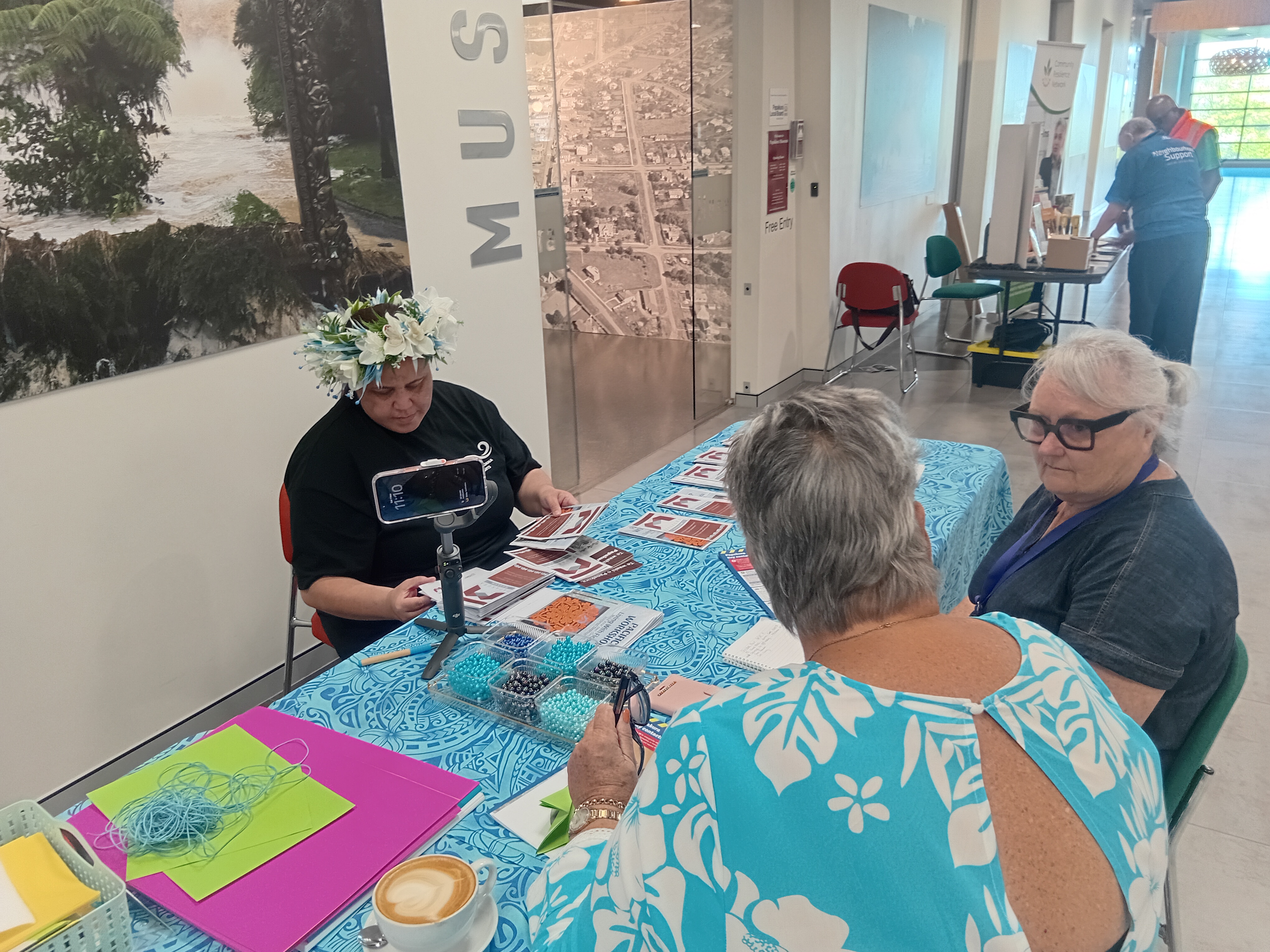
Members of the Cook Islands community were on hand to offer tutoring in tivaevae, traditional quilt-making and fabric art, as part of the regular workshops that take place at Papakura Museum.
Tutors offered tips and insights into the craft, encouraging people to experiment with a climate change themed piece of their own.
The Cook Islands, part of New Zealand, are no strangers to disaster, often being hit by violent tropical storms and hurricanes that cause significant damage.
The effects of climate change, particularly rising sea levels, are a major concern for the low-lying islands, which like many of their Pacific neighbours, face increased risks of flooding, with concerns growing that some may become uninhabitable.
Papakura Museum hosts its Living With Floods exhibition until March next year.
Community groups and experts active in climate change, resilience and preparedness for disaster hostinformation sessions outside the free exhibition.
Papakura Museum is at Level 2, 209 Great South Road, opposite the Sir Edmund Hillary Library. It’s open weekdays from 10am–4.30pm, and until 6pm on Wednesdays. It also opens its doors on Saturdays from 10am–3pm. Admission is free, although donations are also welcome.
As a bonus, anyone who attends one of the flood resilience workshops can go in a draw to win a ride in a warbird aircraft.


0 Comments