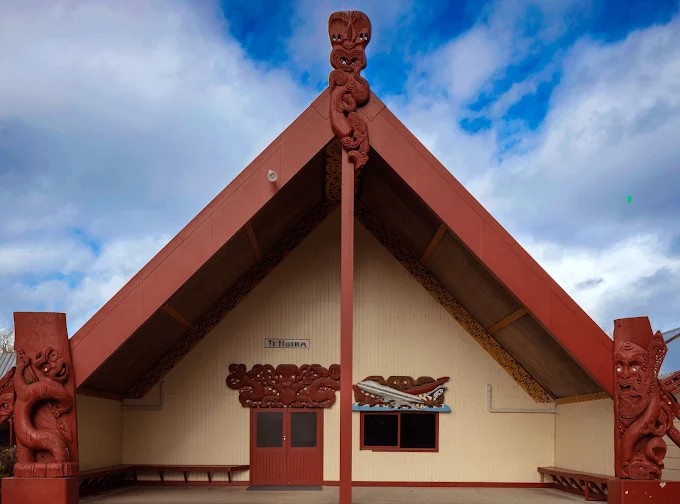
On Thursday 27 November, Papakura Marae hosted an inspiring Energy Resilience and Local Solutions Hui as a first step in building momentum for a community-led journey toward affordable, reliable, and locally generated energy for Papakura.
The hui brought together community organisations, local innovators, power company representatives, and council partners to start making sense of the choices in front of us and to ask a shared question: What could energy resilience look like if we designed it together from the community level?
It was about creating a pathway to local solutions that meet local needs, especially in communities like Papakura where many households are experiencing real energy hardship and in order to make our community more resilient to future shocks.
A Marae-led vision for solar and energy sharing
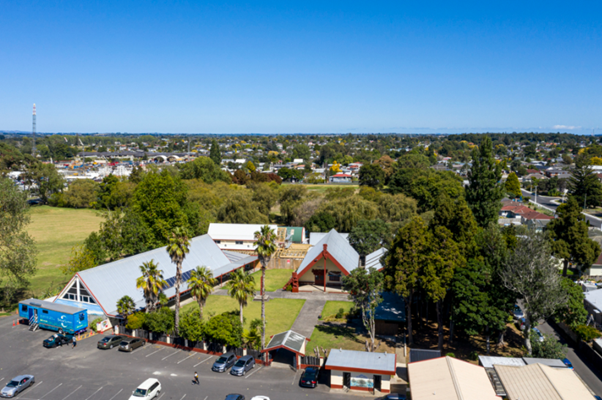
Papakura Marae opened the hui with a clear and uplifting vision. The Marae has already begun progressing a community solar initiative, building on a small number of existing solar panels and preparing for a much larger on-site solar system to be installed soon.
But the kaupapa goes further than powering the Marae. A long-term aspiration is for a local energy-sharing model, where a strong solar base at the Marae could help support whānau across Papakura, particularly those who may not have the financial resources, roof space, or home ownership needed to install solar themselves.
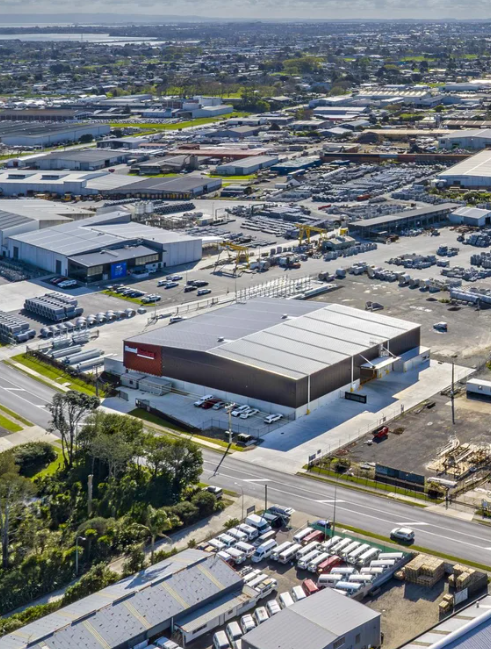
Located on Hūnua Road within the industrial precinct of Papakura, the Marae is surrounded by large commercial roofs. These neighbouring businesses could be powerful partnership allies, with the potential for community-business solar collaborations that can generate local energy for local benefit.
Understanding our energy context in Aotearoa
A presenter from The Southern Initiative (Auckland Council) provided a thoughtful overview of how our energy system has changed over time, particularly since the major reforms of 1984, when Aotearoa shifted from a centrally planned state-run system to a market-led model.
This session unpacked the complexities of our current power bills, showing why electricity can feel confusing, expensive, and hard to navigate. This emphasised a key purpose of getting involved in this kaupapa: shifting from energy hardship to energy equity through collective community action.
The message was – getting to grips with the system helps us understand what levers we can pull locally.
The Franklin Energy Sharing Pilot: a model we can learn from
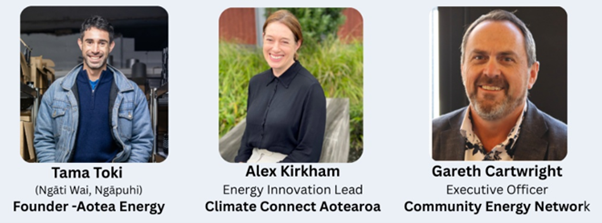
Representatives from Climate Connect Aotearoa and Counties Energy introduced the Franklin Energy Sharing Pilot, a real-world trial already underway in Pukekohe.
Solar panels on partner sites generate energy during the day. A community battery stores electricity generated. Instead of only benefiting the site the panels sit on, the power is shared/gifted to local community organisations and households, who receive credits on their bills as if solar was on their own roof.
This pilot is proving something important. People who can’t afford solar at home can still benefit from solar generated in their community.
The project also highlights the regulatory changes needed to make peer-to-peer energy sharing more common in the future. The takeaway for Papakura is that this is doable, and it offers a pathway to social wellbeing and more resilient communities.
Smart batteries
The founder of Aotea Energyspoke about energy solutions shaped by the Aotea / Great Barrier experience, where communities have long had to think differently about power reliability.
This innovation is a smart home battery that stores electricity when it’s cheap (or when solar generates surplus) and uses it when prices rise or the grid goes out.
Interestingly, you don’t need solar to benefit, because the battery works with price timing software that does the thinking (and work) for you. Over time, this model imagines networked batteries that allow households and whole communities to share or trade surplus power between neighbours.
Building our local capability: the Community Energy Activator pathway
A speaker from Community Energy Network introduced the Community Energy Activator model, which is a practical, collaborative learning programme that helps communities design and launch their own energy projects.
Over about three months (involving a few hours per week), communities learn together, get mentored by energy experts, visit real projects, and develop a clear action plan and next steps.
The early Activator programmes elsewhere in Aotearoa have not only produced projects, but also lasting networks of community groups supporting one another.
The hui strongly supported the idea that Auckland, and southern communities in particular, will benefit from an Activator series in 2026, potentially with a programme tailored to the unique geography, inequality patterns, and energy needs of the south.
Key reflections from participants
Kōrero throughout the day was optimistic, constructive and practical. Some of the reflections included:
- The energy system is complex. We’ll need support to navigate rules and technology.
- Co-design is essential. All groups involved must shape the process together.
- Starting with Hūnua Road and scaling outward sounds like a good plan.
- New technologies like heat-pump hot water (using up to ¾ less electricity) and smart batteries could reduce household costs quickly. Corporates and philanthropic funders could consider how they might support these innovations for those who are struggling with energy poverty.
- Neighbour-to-neighbour conversations are a powerful next step, as energy resilience is local.
- There are strong synergies between energy resilience and disaster readiness, and it would be useful to consider how we make our Community Emergency Hubs solar powered.
- Openness to innovation and making opportunities for rangatahi to get involved and be trained will be important to long-term success.
A call to community and to local business
This hui was a beginning and a signal that Papakura is ready to explore pathways toward energy security, affordability, and fairness. For community members, there will be more opportunities to learn, kōrero, and shape what happens next.
For businesses and corporates in Papakura and the wider south, this kaupapa also opens a door. Papakura has strong community spirit, and also households who are doing it tough. Energy poverty is real, and it affects health, learning, financial stability, and resilience during emergencies.
Local commercial roofs and investment partnerships could become part of a wellbeing solution, not as charity, but as genuine community-led collaboration that strengthens the future of Papakura.
If your organisation is curious about how you could contribute, through solar partnerships, sponsorship, technical skills, or supporting a future Community Energy Activator, we’d love to hear from you.
Huge mihi to Papakura Marae
A big thank you to Papakura Marae for hosting this hui, showing such strong leadership to get us started on an energy resilience journey. Please keep an eye out for the Community Energy Activator series in 2026 which will be a great chance to learn together, shape local solutions, and be part of this exciting mahi for our whānau and community.


0 Comments