
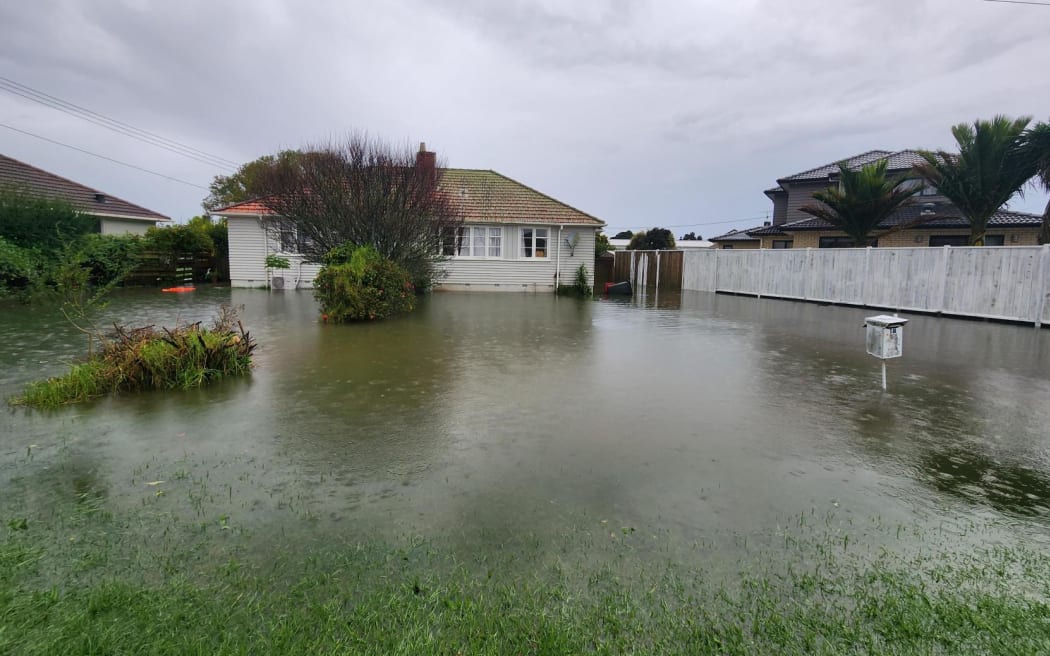
With housing development picking up pace and extreme weather becoming more common, many Papakura residents are asking: how safe is my home now, and how safe will it be in the future?
This matters whether you’re buying your first home, renting in a new subdivision, or living in an established neighbourhood.
The short answer: homes still have to meet building standards, but where a home is built matters just as much as how it’s built. Climate change is increasing the risk of flooding, slips, and infrastructure failure across Papakura—and these risks affect homeowners and renters differently.
New homes and “fast-tracked” building
Even when developments are fast-tracked, new homes must still comply with the New Zealand Building Code. That includes requirements for structure, drainage, and safety. Homes still need inspections and a Code Compliance Certificate before they’re signed off.
However, the Building Code focuses mainly on how a house performs today—not how climate risks might change over the next 30–50 years. A well-built house can still be vulnerable if it sits in a floodplain, on an overland flow path, or on unstable ground.
In other words: the biggest risk is often the site, not the building itself.
In other words: the biggest risk is often the site, not the building itself.
Why location matters more than ever
Heavier rainfall, rising groundwater, and more intense storms mean areas that flooded “once in a lifetime” may now flood regularly. Slopes that were stable can become vulnerable as soils stay saturated longer.
Parts of Papakura—including low-lying areas near the Papakura Stream, Drury Creek, and the Pahurehure Inlet—are particularly exposed to flooding and coastal inundation as climate patterns shift.
Before committing to a home (whether buying or renting), it’s worth checking:
- Is the property in a floodplain or overland flow path?
- Is it near a stream, estuary, or low-lying area?
- Is it built on or below a steep slope or retaining wall?
- Have nearby developments increased hard surfaces, pushing more stormwater downhill?
These risks don’t always show up during fine-weather inspections—but they can make a huge difference during heavy rain.
What buyers can do
If you’re buying, you have more power (and responsibility) to check up front:
Check hazard maps
Auckland Council’s Hazard Viewer and Flood Viewer show floodplains, overland flow paths, coastal inundation zones, and slip risks across Papakura.
Read the LIM and property file carefully
A Land Information Memorandum (LIM) is an official report from the council that contains important information about a property—including flooding history, ground conditions, drainage constraints, building consents, and any known hazards. Always get a LIM before buying, and read it carefully alongside the property file.
Check the building features
The Natural Hazards Commission has a detailed guide on what to check when house hunting—including chimneys, roofs, foundations, retaining walls, and house design features that can affect how a property withstands earthquakes, floods, and landslides.
Ask direct questions
If the home is new or part of a development, ask how flood or slip risk is being managed—like raised floor levels, stormwater detention, or slope stabilisation.
Talk to insurers early
Insurance availability and cost are often early warning signs. If insurance is hard to get or expensive, that’s critical information before you buy.
What renters should know (and ask)
Renters are often most exposed to climate impacts but have the least control over where housing gets built. If you’re renting, you still have rights—and it’s reasonable to ask questions.
Ask about flooding or past issues
You can ask landlords or property managers whether the property has flooded before or had water entry during storms.
Check hazard maps yourself
You don’t need permission to look up a property on public flood or hazard maps—it’s free and accessible online.
Know your rights if a property becomes unsafe
If a rental becomes uninhabitable due to flooding or damage, Tenancy Services provides guidance on repairs, rent reductions, and ending a tenancy when necessary.
Have your own emergency plan
Even if you can’t change the building, you can plan evacuation routes, keep essentials ready, and know where to go if you need to leave quickly. Get Ready has practical guides for household emergency planning. Check if your street has a local coordinator or community hub.
Climate-ready housing isn’t just about individual choices—it’s about how we plan, build, and support each other as a community.
Shared responsibility—and community resilience
Not all climate risk can be designed away. That’s why preparedness and community connection matter. Knowing your neighbours, understanding local risks, and having a basic plan makes a real difference when services are stretched during major weather events.
Across Papakura, people are already working on:
- Safer building locations and better development planning
- Improved stormwater management
- Clearer communication of flood risk to residents
- Ensuring renters aren’t left out of resilience planning
Climate-ready housing isn’t just about individual choices—it’s about how we plan, build, and support each other as a community.
Auckland Emergency Management offers resources and workshops on home and community preparedness that can help you get started.
Want to learn more about climate resilience in Papakura? Connect with the Papakura Community Resilience Network or check your local community hub for emergency preparedness workshops and neighbourhood support.


0 Comments